


Nov 26,2025 by socialshop
Which type of sports bra is best for running
Finding the right sports bra for running can feel like a quest. Seriously, the options are endless, and what works for one person might be a total miss for another. An uncomfortable or unsupportive sports bra can really mess up your run, leading to all sorts of discomfort. But don't worry, we've sorted through the noise to help you find a sports bra that actually does its job, keeping you comfortable and supported mile after mile.
Key Takeaways
-
A good sports bra is super important for running. It helps reduce bounce, which can cause soreness and even damage over time.
-
There are two main types of support: compression (squishes breasts together) and encapsulation (individual cups for each breast). Many good running bras combine both.
-
Look for features like adjustable straps and bands, and proper cup and band sizing for a fit that feels custom to you.
-
Wider straps and bands offer more comfort and support, especially for larger busts.
-
Moisture-wicking fabrics are a must to keep you dry and prevent chafing on longer runs.
Understanding Sports Bra Support For Running
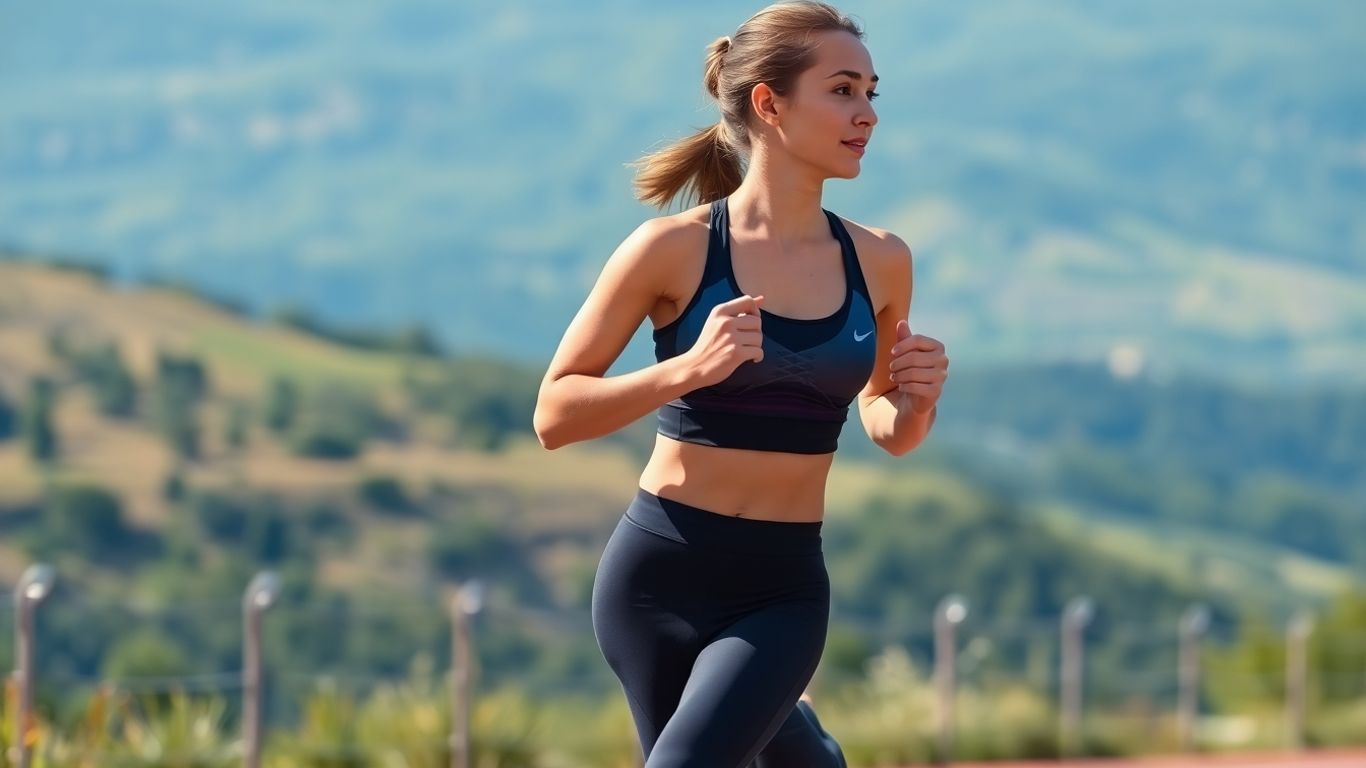
When you're out pounding the pavement, the last thing you want to worry about is your chest bouncing around. A good sports bra is absolutely key for running, and not just for comfort. Believe it or not, unsupported breast movement can actually affect your pace and stride. Studies have shown that breasts can move quite a bit during a run, sometimes up to 7.5 inches in various directions if not properly supported. This isn't just about avoiding soreness; it can lead to a shorter stride and slower overall speed. So, finding the right support level is a big deal.
The Importance Of A Supportive Sports Bra
Think of your sports bra as a piece of performance gear. It's designed to minimize breast movement, which in turn helps prevent discomfort and potential strain on your back. For runners, especially those with larger busts, this support is non-negotiable. A bra that doesn't offer enough support can make your run feel much harder than it needs to be. It's about more than just preventing the dreaded "uniboob" or a "push up sports bra" effect; it's about enabling you to run your best without distraction.
Compression Vs. Encapsulation Sports Bras
Sports bras generally offer support in two main ways: compression and encapsulation. Compression bras work by pressing your breasts flat against your chest wall, kind of like a gentle hug. These are often simpler in design and work well for smaller-chested runners. Encapsulation bras, on the other hand, have individual cups that support each breast separately, much like a regular bra. This offers more targeted support and can be a better choice for those who need a bit more lift and separation. Many of the best high support sports bra options for running combine elements of both to give you the most secure feel.
-
Compression: Squishes breasts flat against the chest. Best for low-to-medium impact and smaller busts.
-
Encapsulation: Features individual cups for each breast. Offers more separation and support, often preferred for higher impact activities and larger busts.
Hybrid Sports Bras For Maximum Support
For runners who demand the absolute best in support, hybrid sports bras are often the way to go. These bras cleverly blend the benefits of both compression and encapsulation. They might have molded cups for individual breast support, combined with a compressive band and straps that hold everything snugly in place. This combination is particularly effective for high-impact activities like running, where minimizing bounce is paramount. Look for features like wider straps and adjustable closures, which allow you to customize the fit for maximum security and comfort, no matter your bust size.
Key Features For Your Running Sports Bra
Finding the right sports bra is a big deal for runners, and it's not just about looks. The way your breasts move when you run is pretty intense – think up and down, and side to side. This can put a lot of strain on the tissues that support them. A good sports bra helps reduce that movement, which means less soreness and potentially fewer long-term issues. Plus, let's be honest, feeling secure makes you run better and feel more confident.
Adjustable Straps and Closures
This is where you can really dial in the fit. Adjustable straps mean you can tweak the tightness on your shoulders, which is great if you're between sizes or just want a little extra lift. Some bras also have adjustable back closures, kind of like a regular bra, which makes them easier to get on and off, especially if you have a larger chest. Being able to customize the fit is super important for comfort and support.
Cup and Band Sizing For A Custom Fit
Forget those S, M, L sizes for a minute. If you can find a sports bra that uses actual cup and band sizing (like 34C, for example), you're likely to get a much more precise and supportive fit. This is especially true for runners with larger busts who need more specific support. It's like getting a custom suit versus an off-the-rack one – the difference in how it feels and performs can be huge.
Wider Straps and Bands For Enhanced Comfort
When you're running, especially for longer distances, thin straps can dig in and wide bands can chafe. Look for bras with wider shoulder straps and a broader band under the bust. This distributes the pressure more evenly across your shoulders and chest, making the bra feel more comfortable for longer periods and providing better support, particularly for those with a larger bust.
Moisture-Wicking Materials To Prevent Chafing
Nobody likes running in a soggy bra. Most good running bras are made from technical fabrics that pull sweat away from your skin. This keeps you drier and cooler, but more importantly, it helps prevent chafing. Chafing can turn a great run into a miserable experience, so materials like polyester or nylon blends that wick moisture are your best friend.
Choosing a sports bra with the right features can make a noticeable difference in your running comfort and performance. It's worth taking the time to find one that fits well and has the support you need. Don't underestimate the power of a good bra!
Here's a quick rundown of what to look for:
-
Adjustability: Straps and closures that let you fine-tune the fit.
-
Sizing: Cup and band sizing for a more precise fit.
-
Strap/Band Width: Wider straps and bands for better comfort and support.
-
Fabric: Moisture-wicking materials to keep you dry and prevent chafing.
Choosing The Right Sports Bra By Bust Size
When it comes to running, your bust size plays a pretty big role in what kind of sports bra is going to work best for you. It's not just about picking a pretty color, you know? The right support can seriously make or break your run, preventing discomfort and potential long-term issues. Finding a bra that fits your specific needs is key to a happy, pain-free run.
Sports Bras For Larger Busts
If you have a larger bust, you're probably already aware of how much movement can happen during a run. We're talking up to eight inches of movement, which can put a lot of strain on your Cooper's ligaments. That's why for larger busts, encapsulation bras or hybrid styles are often the go-to. Encapsulation bras have individual cups that hold each breast separately, offering great support and reducing that side-to-side motion. Many runners with larger chests find this style way more comfortable because it doesn't just squish everything together. Adjustable straps and bands are also a big plus here, letting you fine-tune the fit for maximum security.
Support Needs For Smaller Busts
Runners with smaller busts might find that compression bras work really well. These bras use strong elastic materials to hold the breasts close to the chest wall, minimizing bounce. They're often simpler in design, like a pullover or racerback style, and can be super comfortable for low to medium-impact activities. However, even with smaller busts, high-impact activities like running still require a good level of support. Some smaller-busted runners might still prefer encapsulation or hybrid styles for that extra security, especially if they experience significant movement during their runs. It really comes down to personal preference and how your body moves.
It's worth noting that sizing can be tricky. Brands use different systems, and what fits one person perfectly might not work for another. Don't be afraid to try a few different brands and styles to see what feels best. Remember, the goal is to feel secure and comfortable, allowing you to focus on your run, not your bra. Getting the right fit starts with accurate measurements. Follow these straightforward tips to avoid guesswork and ensure a proper fit.
Here's a quick look at how support levels generally align with bust size and activity:
|
Bust Size |
Recommended Support Level |
Best Bra Type(s) |
|---|---|---|
|
Small to Medium |
Low to Medium |
Compression, Encapsulation |
|
Medium to Large |
Medium to High |
Encapsulation, Hybrid |
|
Larger Busts |
High |
Encapsulation, Hybrid |
Finding The Perfect Sports Bra Fit
Okay, so you've figured out you need a high-impact bra for running, maybe compression or encapsulation, or even a hybrid. Great! But all that support means nothing if the bra itself doesn't fit right. Honestly, finding a sports bra that actually fits can feel like a quest. So many women end up wearing the wrong size, and it makes a huge difference. Let's break down how to get it right.
How A Sports Bra Should Feel
First off, a good sports bra for running should feel snug, but not like it's cutting off your circulation. You want it to hold everything in place with minimal bounce, but you also need to be able to breathe comfortably. If the straps are digging into your shoulders or the band feels like it's constricting your rib cage, that's a red flag. It shouldn't feel painful or overly restrictive. Think "secure hug," not "vise grip." The goal is support without discomfort.
Avoiding Common Fit Issues
Fit problems are super common, but knowing what to look out for can help.
-
Straps digging in: This usually means the band is too loose, and your shoulders are trying to do all the work. Or, the straps are just too short.
-
Band riding up: If the band is constantly creeping up your back, it's too big. A properly fitting band should stay put.
-
Spillage: If your breasts are spilling out over the top or sides of the cups, the cups are too small, or you might need a different style altogether.
-
Underwire digging: If your bra has underwire, it should lie flat against your rib cage, not poke or dig into your skin.
Remember, bra sizing isn't an exact science across all brands. What fits perfectly from one company might be a bit off with another. It's like jeans – you might be a size 8 in one brand and a 10 in another. Don't get too hung up on the number; focus on how it feels and performs when you move.
Here's a quick guide to measuring yourself at home, which can be a good starting point:
-
Measure Your Band Size: Wrap a soft tape measure snugly around your rib cage, right under your breasts. It should be firm but not tight – you should be able to slide two fingers underneath. Round down to the nearest even inch.
-
Measure Your Bust Size: Measure around the fullest part of your bust, keeping the tape measure snug but not constrictive. Make sure the tape is level all the way around.
-
Calculate Your Cup Size: Subtract your band measurement from your bust measurement. The difference in inches usually corresponds to a cup size (1 inch = A, 2 inches = B, 3 inches = C, and so on). Check the brand's specific size chart for their conversion.
|
Rib Cage Measurement |
Band Size |
|---|---|
|
25" - 27" |
30 |
|
27" - 29" |
32 |
|
29" - 31" |
34 |
|
31" - 33" |
36 |
|
33" - 35" |
38 |
|
35" - 37" |
40 |
|
37" - 39" |
42 |
|
39" - 41" |
44 |
Trying on different sizes and styles is really the best way to find what works for your unique body. Don't be afraid to try a few options before settling on the one that feels just right for your runs.
Exploring Different Sports Bra Styles
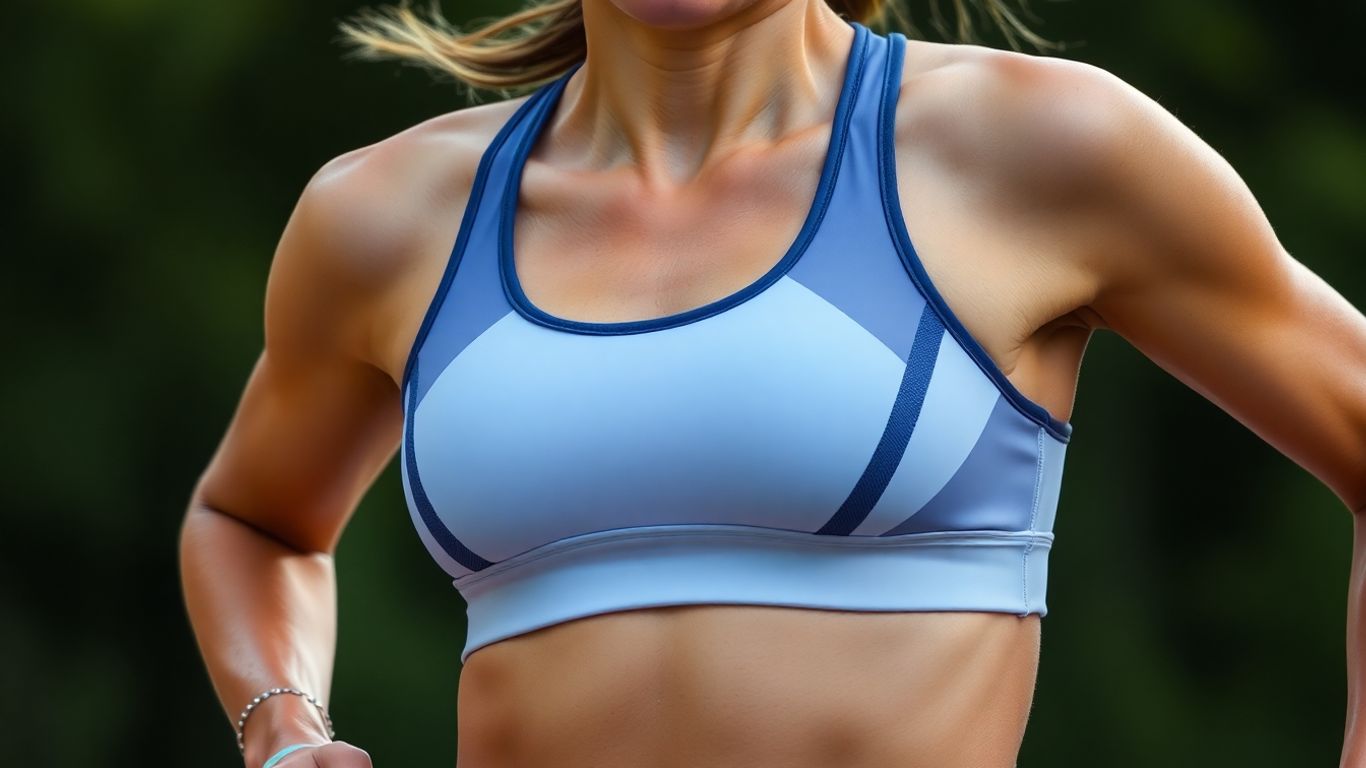
When you're out pounding the pavement, the right sports bra isn't just about comfort; it's about keeping everything secure and supported. There are a few main styles you'll see, and knowing the difference can really help you pick the best one for your runs.
High-Impact Sports Bras For Running
These are your go-to for serious mileage. High-impact bras are built to minimize bounce as much as possible. They often use a combination of compression (squishing the breasts flat against the chest) and encapsulation (individual cups for each breast) to provide maximum support. You'll usually find them with wider straps and bands, and sometimes even adjustable closures, which helps distribute pressure and prevent digging. If you're running anything more than a casual jog, a high-impact bra is probably what you need. They're designed for activities where there's a lot of up-and-down motion, like running or HIIT workouts.
Crop-Top Sports Bras For Added Coverage
Some runners prefer a bit more coverage, especially if they're not wearing a shirt. Crop-top styles offer this, often extending down to the ribcage. They can provide a good amount of support, sometimes incorporating features from high-impact bras like compression or encapsulation. They can be a great option for feeling a little more covered up without sacrificing too much support. Many runners find these styles comfortable for longer runs, and they can look pretty sleek too. You can find a variety of these racerback and cross-back designs that offer both support and freedom of movement.
Sports Bras With Built-In Pockets
Okay, this is a game-changer for some. Pockets! Seriously, where do you put your keys, a gel, or your phone when you're running? Some sports bras now come with cleverly placed pockets, often on the back or sides. These are usually designed to be snug enough to keep your essentials from bouncing around too much. It's a practical feature that can make a big difference on longer runs where you need to carry a few things. Just make sure whatever you put in the pocket doesn't create an uncomfortable bulge or chafe.
Selecting A Sports Bra For Different Conditions
Running conditions can really change how a sports bra feels and performs. What works great on a cool, crisp morning might feel like a sauna suit when the temperature climbs.
Best Sports Bras For Hot Weather Running
When the heat is on, breathability is your best friend. You want a bra that lets air flow and wicks sweat away from your skin fast. Look for bras made with lightweight, technical fabrics. Mesh panels in key areas, like the back or under the bust, can make a big difference. Minimal coverage styles often perform better because there's simply less fabric to trap heat. Think about bras with a racerback design or those with thinner straps, as they tend to expose more skin.
-
Fabric: Technical, moisture-wicking materials are a must.
-
Ventilation: Prioritize mesh panels and open designs.
-
Coverage: Less can be more; consider styles with less fabric.
Staying cool and dry is the main goal. A bra that holds onto sweat will not only feel uncomfortable but can also lead to chafing, which is the last thing you want when you're trying to enjoy your run.
Ideal Sports Bras For Cold Weather Running
In colder weather, the game changes a bit. While you still want sweat-wicking capabilities to avoid getting chilled by damp fabric, you also need a bit more warmth. Some runners prefer bras with slightly more coverage or those made from materials that offer a bit of insulation without being bulky. Wool blends can be surprisingly effective here, as they wick moisture well and retain some warmth even when damp. If you're running in very cold conditions, you might even layer a thin, moisture-wicking bra under a warmer running top.
-
Material: Consider wool blends or thicker technical fabrics.
-
Layering: Think about how the bra will work with other cold-weather gear.
-
Moisture Management: Still important to prevent that clammy, cold feeling.
The key is to avoid getting too hot and sweaty during your run, only to cool down rapidly when you stop or the temperature drops.
So, What's the Verdict?
Alright, so finding the right sports bra for running isn't exactly a walk in the park, is it? It really comes down to what feels good and works for you. Whether you're a smaller-chested runner who might get away with a simpler compression style, or you need that serious, no-budge support with encapsulation features for a larger bust, the key is trying things out. Don't be afraid to test a few different brands and styles. What works for your friend might not be your perfect match. Remember, a well-fitting bra means less distraction, more comfort, and ultimately, a better run. So go forth, experiment a little, and find that bra that makes you feel ready to hit the pavement with confidence!
Frequently Asked Questions
Why is a good sports bra so important for running?
When you run, your breasts move a lot, sometimes bouncing quite a bit. This movement can strain the tissues that support your breasts, called Cooper's ligaments. A good sports bra helps keep everything in place, reducing discomfort and preventing potential long-term soreness or damage. It can even help you run better by allowing a more natural stride!
What's the difference between compression and encapsulation sports bras?
Compression bras work by pressing your breasts flat against your chest to limit movement. They're often simpler and good for smaller chests. Encapsulation bras are more like regular bras, with separate cups for each breast to support them individually. This often provides better support and prevents the 'uni-boob' look.
What should I look for in a sports bra if I have a larger bust?
If you have a larger bust, you'll need a bra that offers high support. Look for features like encapsulation or molded cups, wider straps, and a snug band. Adjustable straps and closures can also help you get a more custom and secure fit. Underwire can sometimes offer extra support, too.
How should a sports bra for running feel when I wear it?
A running sports bra should feel snug and supportive, keeping your breasts from bouncing too much. However, it shouldn't be so tight that it digs into your skin or makes it hard to breathe. You should be able to move comfortably without feeling restricted or experiencing pain.
Are crop-top style sports bras good for running?
Yes, crop-top style sports bras can be a great option, especially if you want a little extra coverage without wearing a shirt. Many of them offer good support and can be very comfortable for running.
How do I find the best sports bra if I can't try them on?
If you can't try bras on, it's helpful to measure yourself carefully and check sizing charts. Reading reviews from other runners, especially those with a similar body type to yours, can also give you clues. Sometimes, you might need to try a few different brands or styles to find the perfect fit, and that's okay!
